Mind Over Matter, Literally
“If the brain can help regulate the immune system, therapies may one day harness the brain itself to strengthen the body’s defenses.”

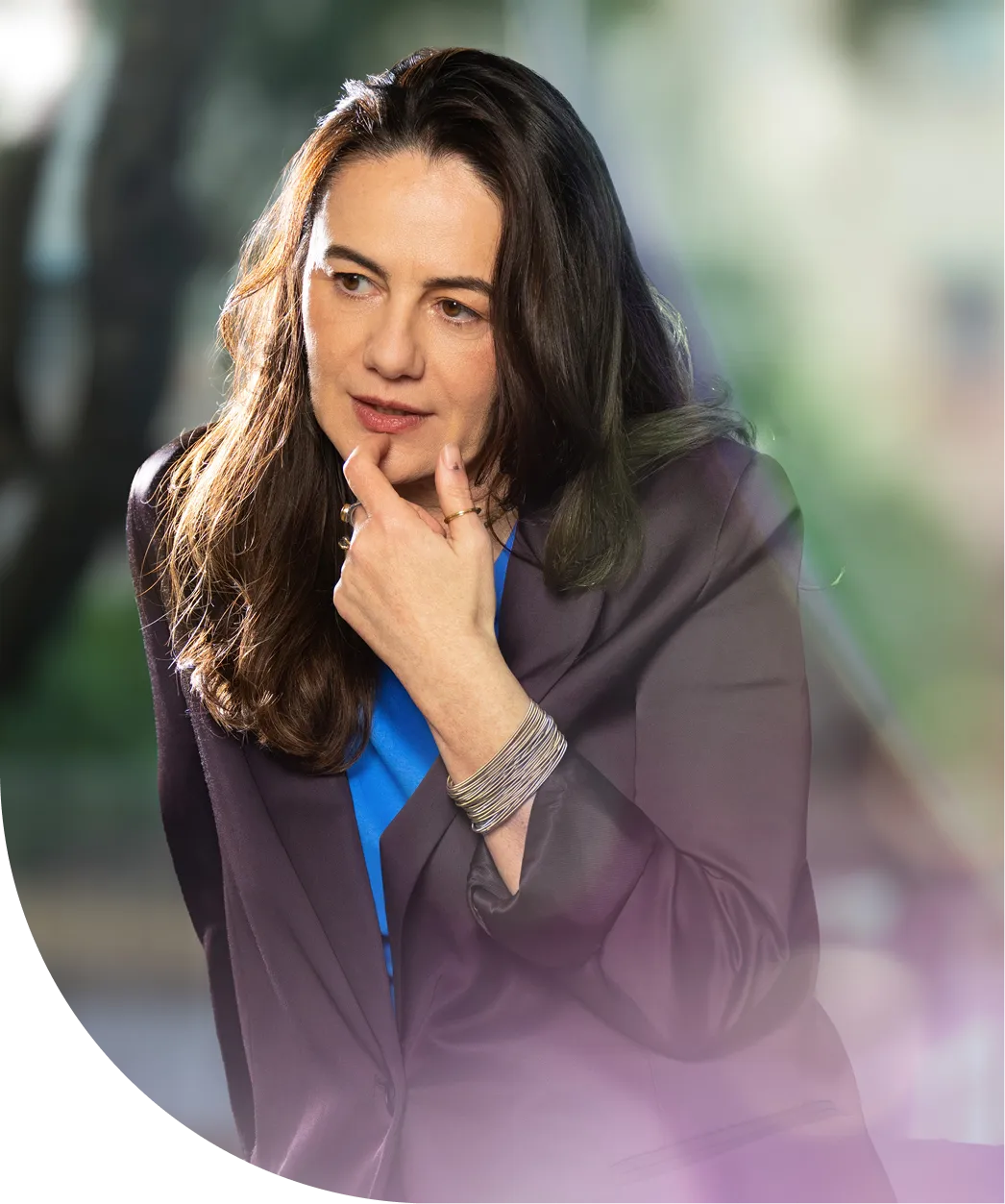
Prof. Asya Rolls (Life Sciences), the recipient of several ERC grants and the Academic Director of the Blavatnik Center for Drug Discovery, is a pioneering scientist to watch, pushing the boundaries of how we understand the connection between the brain and the body.
In her lab, a once philosophical question, can the mind influence physical health? —is becoming hard science. Prof. Rolls and her team are discovering that specific brain circuits can actually influence the immune system, helping the body fight infections, recover fom heart attacks and even slow the growth of tumors.
Using innovative techniques to activate and study specific networks in the brain, the researchers have shown that the brain can “remember” immune responses and trigger them again later. Their work has also uncovered a biological explanation for the placebo effect, revealing how expectations and brain activity can produce real physical changes in the body.
These discoveries are reshaping how scientists think about the brain’s role in health and disease. If the brain can help regulate the immune system, it may one day be possible to develop entirely new treatments, therapies that harness the brain itself to strengthen the body’s defenses against cancer, infections, and autoimmune diseases.
Published in leading international journals, Prof. Rolls’ groundbreaking research is placing Tel Aviv University at the forefront of a rapidly growing field and marking her as a leader in the future of biomedical science.
Prof. Rolls is a researcher at the Colton Center for Autoimmunity; and a faculty member at the Sagol School of Neuroscience.
A Rising Star Rewriting the Code of Cancer
“Dr. Jbara’s research pushes the boundaries of chemical biology, developing synthetic methods to design and study how genes are activated or deactivated in our cells.”
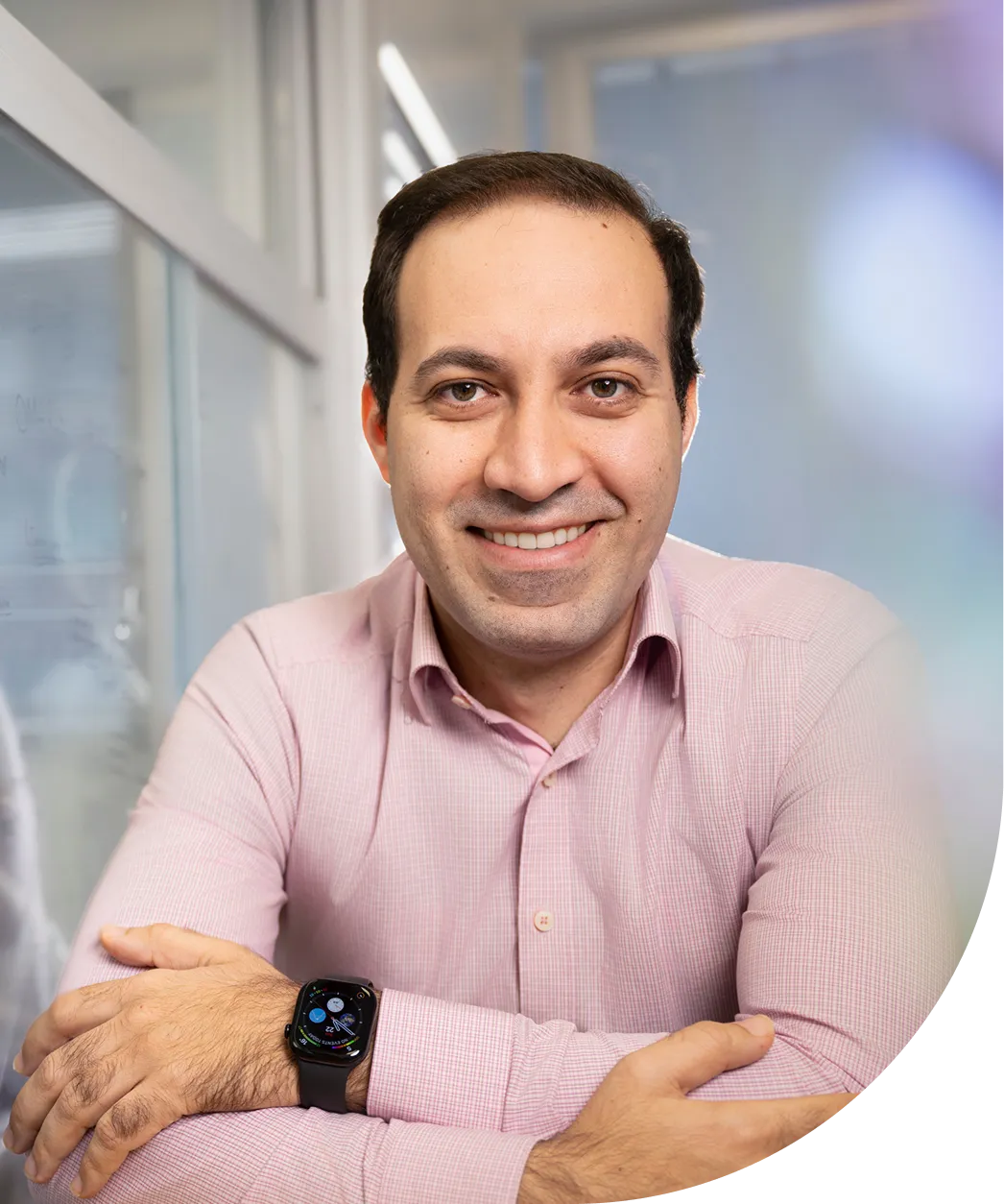
Dr. Muhammad Jbara (Exact Sciences) is emerging as one of the University’s most exciting young scientific talents, poised to transform how we understand proteins and harness synthetic chemistry in the fight against cancer. His research pushes the boundaries of chemical biology, developing innovative synthetic methods to design and study transcription factor proteins, the molecular switches that control how genes are turned on and off in our cells.
Through his project ProTailor (Chemically Tailored Transcription Factor Proteins for Dissecting Gene Expression Regulation), Jbara’s team will create precisely engineered molecules to
probe how oncogenic transcription factors drive cancer-related gene activity. By revealing how these proteins control gene expression, the research could open new paths toward therapies that silence harmful oncogenes, leading to more precise and effective cancer treatments.
Ultimately, this work could help scientists better understand how cancer begins and progresses, laying the foundation for future strategies to prevent, control, and potentially defeat the disease. In recognition of the promise and ambition of this work, Dr. Jbara has been awarded the prestigious European Research Council (ERC) Starting Grant.
Big Data for Social Research
A new research room of Israel’s Central Bureau of Statistics (CBS) now provides scholars with direct access to extensive administrative data on Israel’s economy and society. The initiative, led by Prof. Analia Schlosser (Social Sciences), allows researchers to work securely with detailed datasets covering education, employment, demographics, and inequality. By bringing these resources directly onto campus, the facility significantly expands the ability to conduct large-scale, policy-relevant research. The new infrastructure also supports interdisciplinary collaboration and helps train students in advanced data analysis. With strict safeguards for confidentiality and security, the research room enables deeper insights into social and economic trends shaping Israel today.

The Unconscious Mind Notices More Than We Think
A new study shows that the brain can detect meaningful information even when we are unaware of what we are seeing. Using precise eye-tracking technology, Prof. Liad Mudrik and Prof. Shlomit Yuval Greenberg (Social Sciences) and PhD student Shaked Lublinsky found that people’s eyes naturally move toward important parts of a visual scene, even when the image is presented in a way that prevents conscious recognition. The results suggest that the brain can still extract basic structure and relevance from the environment without conscious awareness. However, this unconscious processing is more limited than when a person fully perceives the scene. The findings provide new insights into how perception works and open new directions for research on the unconscious mind.

Mission: Mars—Students Build a Rover for the Red Planet
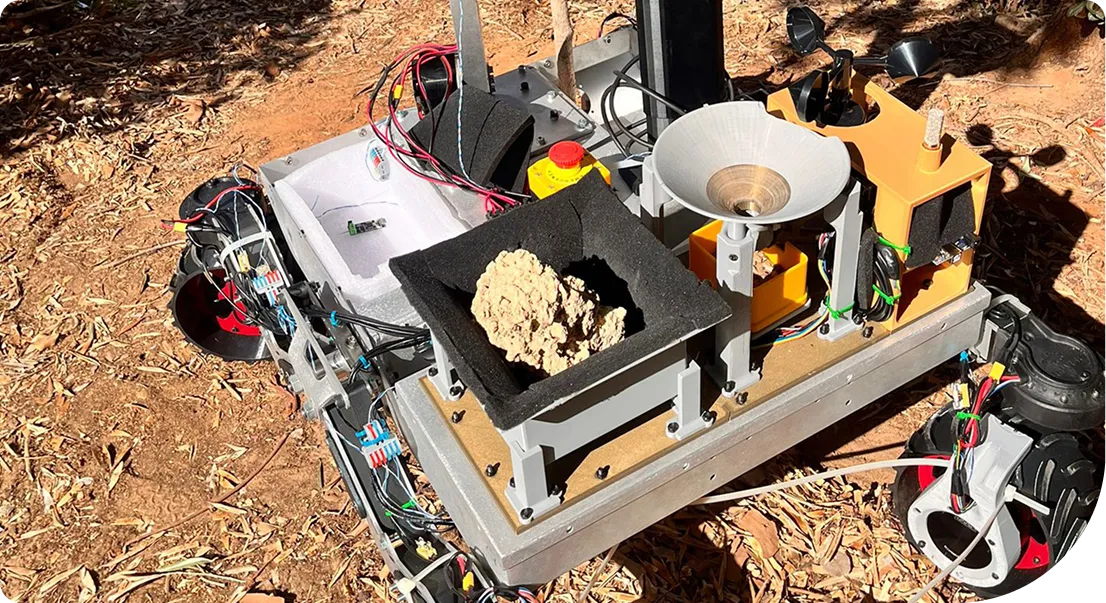
The TAUverIL project challenges engineering students to design and build Exodus, a rover capable of performing complex tasks in Mars-like conditions. The team includes about 40 students from the Faculties of Engineering and Exact Sciences, many developing the rover as part of their final degree projects. Working in specialized groups, from robotics and navigation to communications, they collaborate to turn ambitious designs into working technology. Their goal is to compete in the European Rover Challenge, an international robotics competition that simulates missions on Martian terrain. By tackling real engineering problems and working as a multidisciplinary team, the students are gaining hands-on experience while aiming to make history as the first Israeli team to win the competition.
Turning Garbage into Fuel
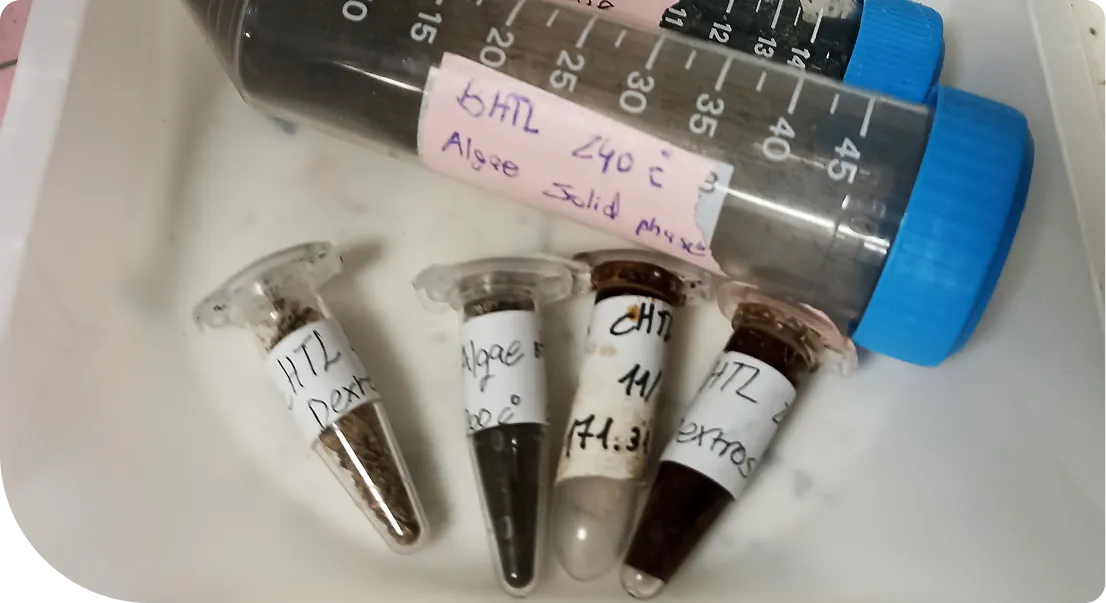
Launched in 2025, FUTUREWISE is a national, multidisciplinary research initiative led by Tel Aviv University and supported by Israel’s Planning and Budgeting Committee. The program brings together scientists and experts from Ariel University, Ben-Gurion University of the Negev, Emek Yezreel Academic College, Shenkar College, and Meir Medical Center to tackle a global challenge: transforming municipal and organic waste into sustainable fuels for aviation, shipping, and land transport. Combining expertise in chemistry, engineering, sustainability, public policy, and health, the initiative develops advanced technologies to convert waste into cleaner energy while evaluating environmental policies and economic impact. By turning everyday waste into a valuable resource, FUTUREWISE aims to help build a local energy supply chain for a circular, low-emission energy future for Israel and beyond, reducing global dependency on oil.