World’s First Human Trial: Engineered Spinal Cord
“This is undoubtedly a matter of national pride,” says Prof. Dvir. “The technology was developed here in Israel, and the first surgery will be performed here with an Israeli patient.”

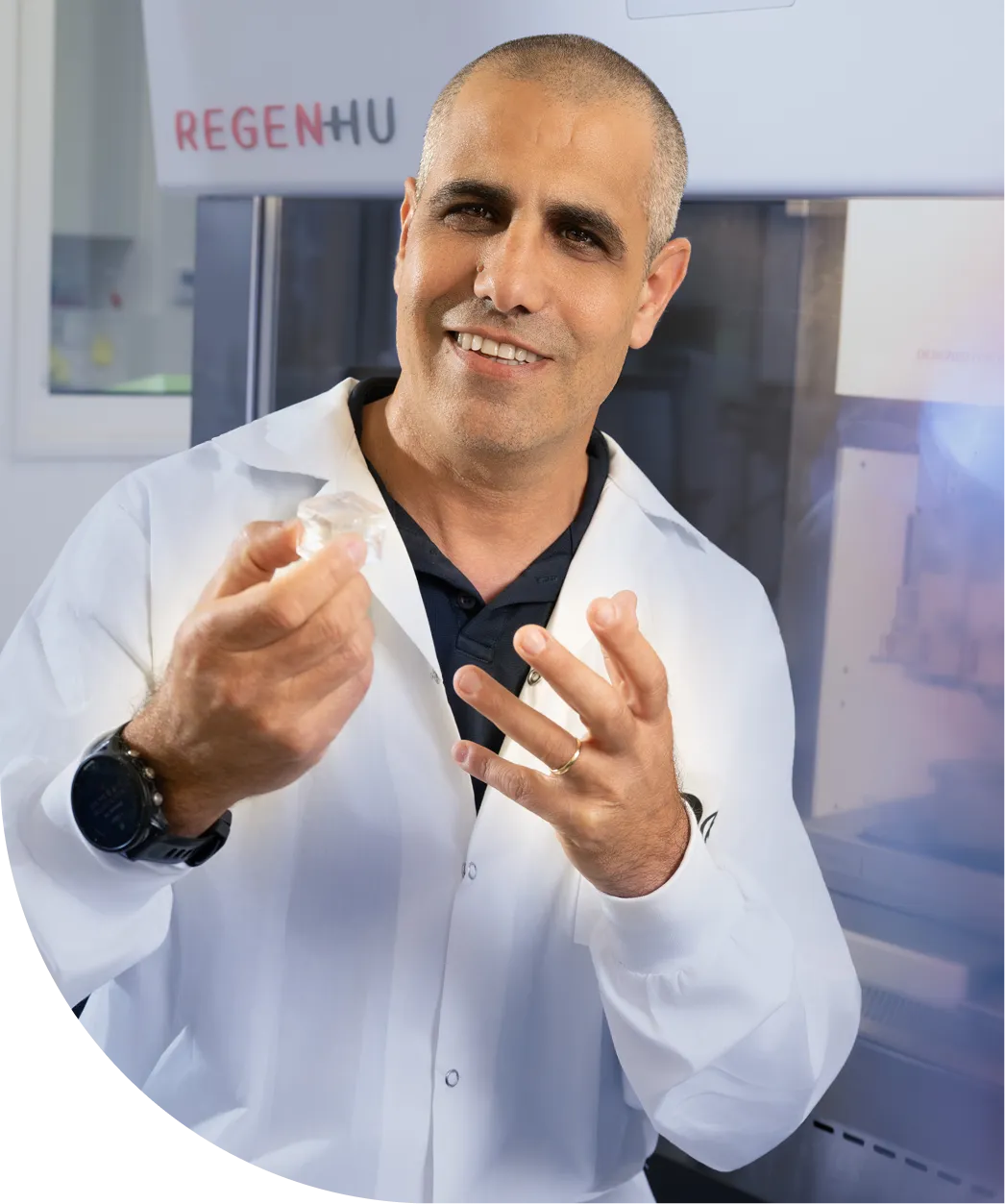
For the first time in history, scientists are preparing to test a lab-grown spinal cord implant in human subjects. This breakthrough treatment, which could restore mobility to those paralyzed by injury or illness, is led by Prof. Tal Dvir, Director of the Sagol Center for Regenerative Medicine and the Laboratory for Tissue Engineering and Regenerative Medicine. Prof. Dvir also serves as Chief Scientist at the biotech company Matricelf.
The technique uses a patient’s own blood and fatty tissue to engineer a personalized, 3D spinal cord. In preclinical animal studies, the implant achieved an extraordinary 80% to 100% success rate in restoring movement.
Now approved by Israel’s Ministry of Health for “compassionate use” trials in eight patients, the research aims to bridge the physical gap in severed nerves, reconnecting the brain to the body.
The personalized implant is created by reprogramming the patient’s blood cells into embryonic stem-like cells and embedding them in a hydrogel scaffold derived from the patient’s fat tissue. The embryonic development of the spinal cord is mimicked in the lab, enabling scientists to grow living spinal cord tissue with functional neuronal networks.
Once matured, this neural implant, capable of transmitting electrical signals, is placed directly into the damaged spinal cord. By replacing scarred areas, it helps restore vital communication across the nervous system.
This marks a radical shift in spinal injury care, moving from managing irreversible damage to regenerating lost function. It offers a new era of mobility, autonomy, and hope to millions worldwide.
Prof. Dvir is the Closner Family Chair for Next Generation Organ and Tissue Implants; Director of the Jan Koum Center for Nanoscience & Nanotechnology and The Chaoul Center for Nanoscale Systems; and a member of the Shmunis School of Biomedicine and Cancer Research.
Smart Skin Heals Burns Faster
“Lab-grown bioengineered skin, made from a patient’s own skin cells, may offer new hope of effective, faster treatment to burn victims.”
When a patient suffers severe burns, the race to heal the skin is critical. Researchers at Tel Aviv University and Sheba Tel Hashomer Medical Center are developing a radical new approach that dramatically improves how these injuries are treated: lab-grown, bioengineered skin made from a patient’s own cells.
The standard treatment for serious burns is a skin graft, in which healthy skin is taken from another part of the patient’s body and transplanted onto the damaged area. While effective, the procedure has clear limitations. It creates additional wounds where the donor skin is taken, and for patients with extensive burns, there may simply not be enough healthy skin available.
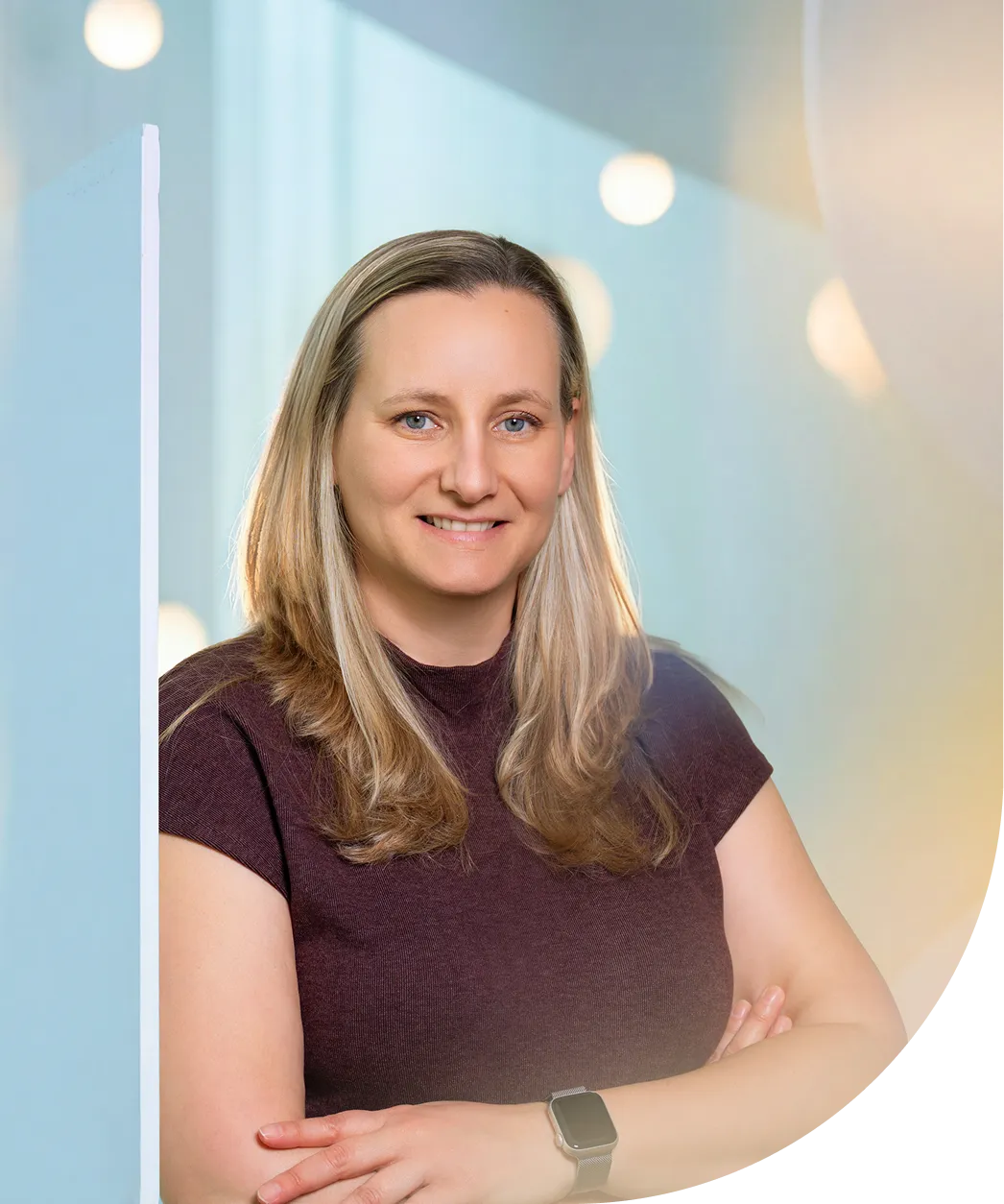
The TAU team, led by Prof. Lihi Adler-Abramovich, (Medical and Health Sciences), the head of the Laboratory for Bio-Inspired Materials and Nanotechnology in collaboration with Prof. Amit Sitt, set out to change that.
Using a small sample of the patient’s skin, researchers grow new skin cells in the laboratory and place them onto a specially designed scaffold that helps the cells organize into layers resembling natural human skin.Early tests have produced encouraging results. In preclinical studies, wounds treated with the bioengineered skin healed significantly faster than those treated with standard therapies. Researchers also observed early signs that natural skin structures, such as hair follicles, may begin to develop.If confirmed in future trials, this innovation could lead to faster healing, fewer complications, and dramatically better recovery for burn victims, offering new hope to patients facing some of the most challenging injuries in medicine.
Prof. Adler-Abramovich is a professor at the Goldschleger School of Dental Medicine; a member of the Gray Faculty of Medical and Health Sciences; Vice Director of the Marian Gertner Institute for Medical Nanosystems; and member of the Sagol Center for Regenerative Medicine.
Israel’s Hottest Physics Program
The School of Physics and Astronomy is experiencing a year of remarkable momentum. Demand for its programs has reached an all-time high, with a record 220 first-year students filling the incoming undergraduate class, reflecting the School’s reputation as a leading destination for aspiring physicists. At the same time, the School is modernizing its curriculum around the “second quantum revolution.” With 2 million NIS secured through Israel’s national quantum initiative, teaching laboratories have been upgraded and new classrooms built for quantum hardware and quantum materials. Today, every physics graduate leaves with hands-on experience in quantum science. The School has also launched a new teaching certificate program, enabling physics graduates to become educators, helping address Israel’s national shortage of qualified physics teachers.
The Promise of Personalized Medicine
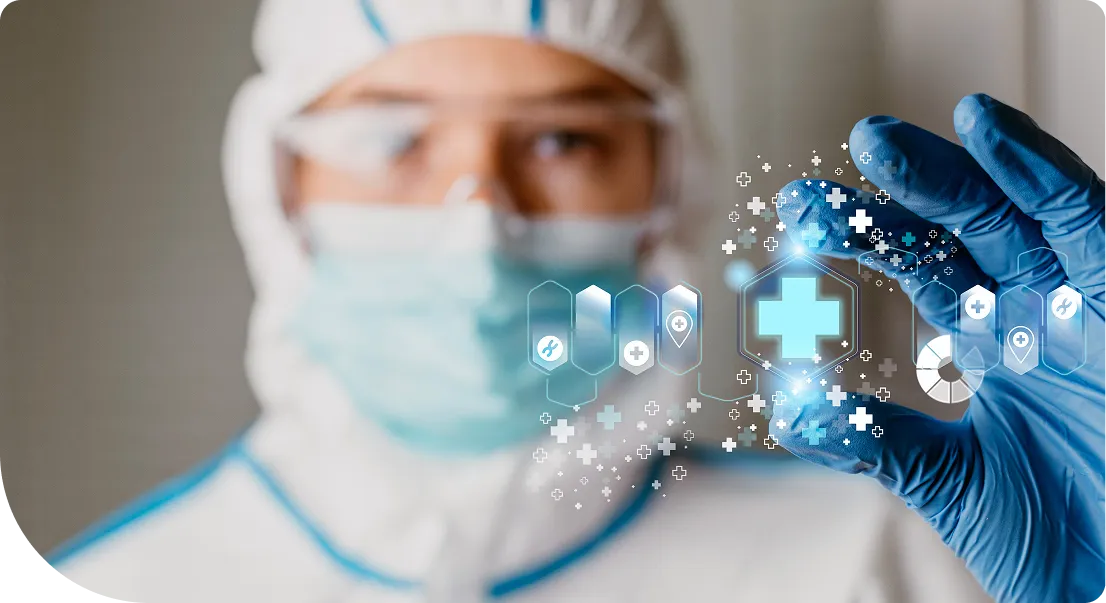
Prof. Adi Barzel (Life Sciences) is driving major progress in translating breakthrough research into real‑world therapies through the Varda and Boaz Dotan Research Center for Hemato-Oncology Research – an innovative partnership between TAU and the Tel Aviv Sourasky Medical Center. After achieving notable success in animal models, the Center is now advancing toward first‑in‑human clinical trials for blood cancers and autoimmune disorders. Using state‑of‑the‑art genome editing and in vivo T‑cell engineering, its researchers are developing personalized treatments that reprogram a patient’s immune system to target disease more effectively while minimizing side effects. With plans to introduce five novel therapies into clinical trials over the next decade, the Center is solidifying Israel’s leadership in biotechnology and offering transformative hope to patients worldwide.
Leaders in Law
In Israeli academia, research funding is highly competitive. For the 2025–2026 academic year, the Buchmann Faculty of Law was awarded more than half of all Israel Science Foundation (ISF) law grants nationwide, reflecting the Faculty’s leadership and excellence in the Israeli legal field. The Israel Science Foundation is the country’s premier research funding body; funded TAU Law projects span international law, corporate governance, empirical legal studies, competition policy, judicial decision-making, constitutional development, and more.