Restoring Yiddish Theater: The Dybbuk Lives Again
“These shows are a window into the mainstream values, challenges and attitudes of the pre-Holocaust Jewish world, and their similarities to those of today’s.”

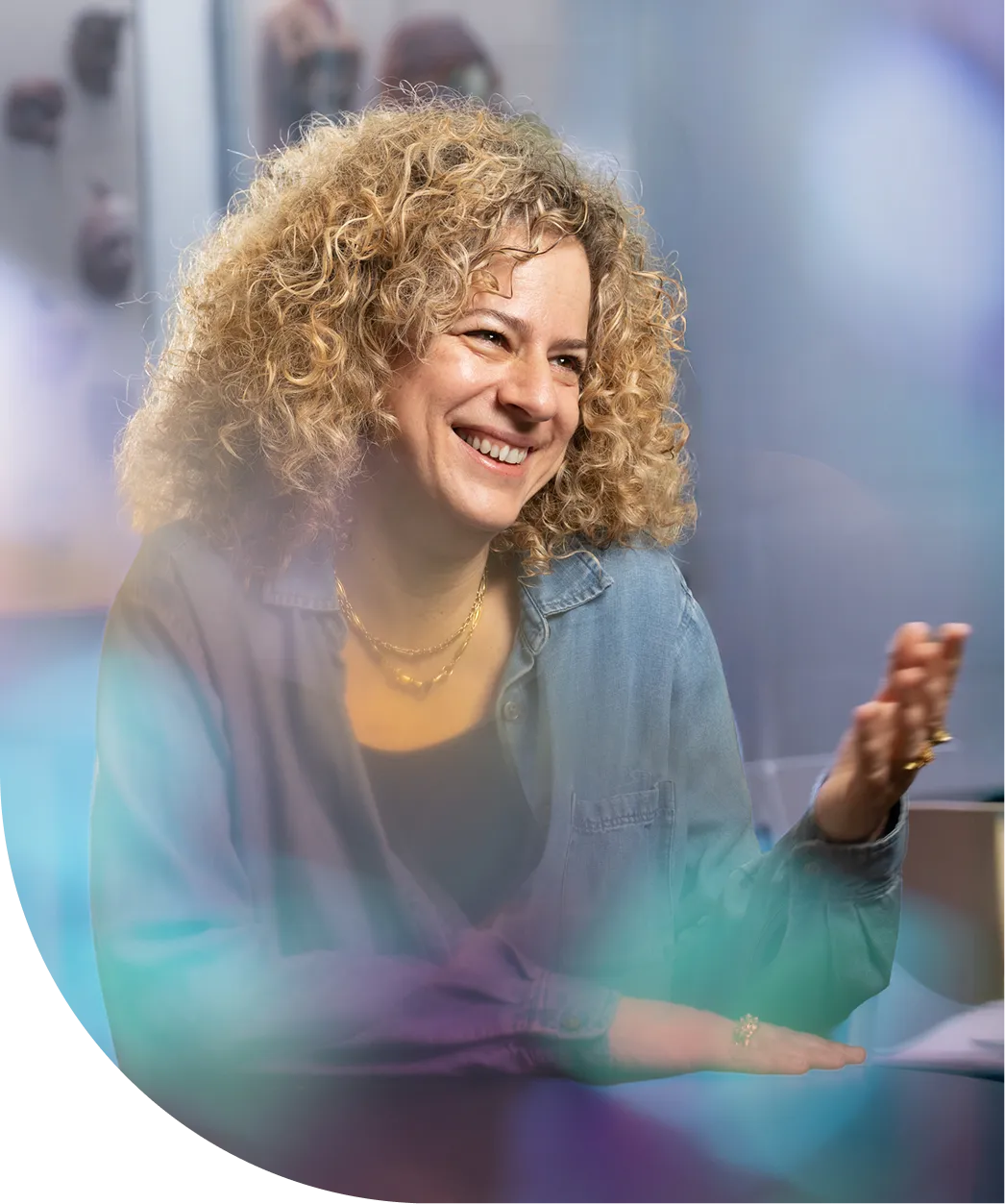
Imposing ghostly white figures sing to an old woman on a stage designed like a surreal graveyard. This is Tel Aviv University’s Hebrew adaptation of the Yiddish comedy The Dybbuk, performed by TAU theater and music students for the first time since the turn of the century. It is part of a European Research Council-funded project to restore popular Yiddish performance pieces, led by TAU’s Dr. Ruthie Abeliovich (Arts). “These shows are a window into the mainstream values, challenges and attitudes all over the pre-Holocaust Jewish world, and reveal how we Jews today are still having the same conversations,” says Dr. Abeliovich.
From the late 19th to the early 20th centuries, Yiddish theater was a thriving ecosystem reaching millions of Jews. Yet because of their appeal to common audiences, popular shows like The Dybbuk were delegitimized by intellectuals as “shund” , trash, and effectively erased from the cannon. (Many have heard of a slightly newer tragic Dybbuk, immortalized thanks to its “high-brow” designation.)
The comedy, which follows a young woman who wishes to marry a secular man against her religious grandmother’s wishes, taps into still-relevant Jewish controversies: tradition vs. modernization; duty to community vs. individual fulfillment; the gendered politics of marriage, and more.
To mount TAU’s sweeping production, one which could speak to audiences both then and now, Dr. Abeliovich’s team cross-referenced accounts of performances from 100-year-old handwritten notebooks detailing music, scripts, and stage directions.
The project’s ultimate goal is to create a publicly-accessible database of these accounts; to do this, the researchers created a first-of-its-kind AI-based Yiddish handwriting transcription tool, now used by Yiddishists throughout the field. Thus far, over 700 pages across nearly 15 plays have been transcribed.
“With our help,” says Dr. Abeliovich, “these once-beloved works can live again.”
Dr. Abeliovich is a member of the David and Yolanda Katz Faculty of the Arts
Straight Into Your Ears
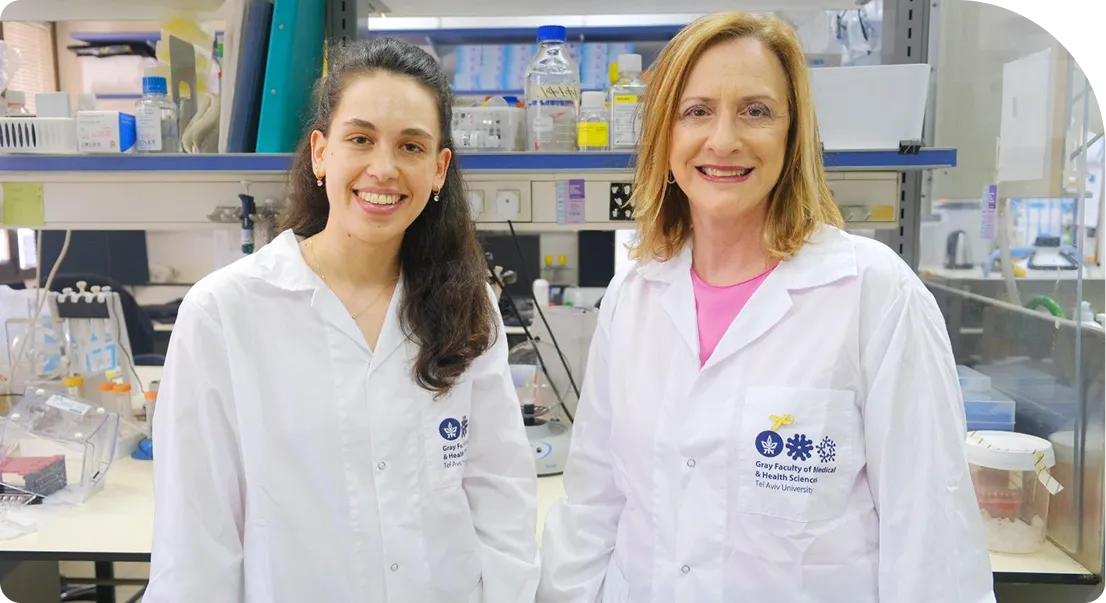
Hearing loss is the most common type of sensory impairment, and many cases are caused by genetic factors. In a first-of-its-kind study, an international team led by the Dean of the Gray Faculty of Medical and Health Sciences Prof. Karen Avraham developed an innovative gene therapy for hereditary deafness. The study took advantage of viruses’ ability to penetrate cells, replacing harmful viral DNA with healthy genetic material that prevents the cells involved in hearing and balance from degenerating. In a novel approach, the researchers used a new type of viral delivery system which yielded more efficient and effective results than previous techniques.
Israeli Films Win International Accolades
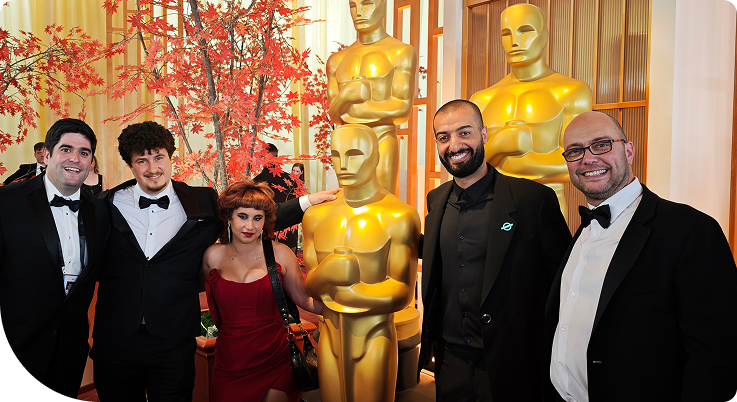
Two TAU filmmakers won historic awards this year for their films, each of which powerfully shed light on the Israeli experience post-October 7. Director and TAU alumnus Yariv Mozer won the Emmy Award for an Outstanding Current Affairs Documentary. His documentary, We Will Dance Again, tells the harrowing and heartbreaking story of the Hamas massacre at the Nova music festival on October 7. Accepting the award on stage while wearing a yellow hostage pin, Mozer honored the victims and reminded the world of the resilience of Israeli society.
The second award went to TAU Tisch School of Film and Television student Meyer Levinson-Blount, who won the Silver Medal for a Narrative Student Film at the Student Academy Awards and was nominated for an Oscar for Best Live Action Short Film. His movie, Butcher’s Stain, follows a Palestinian-Israeli grocery store worker who is accused of tearing down hostage posters and must prove his innocence. The story lays bare the diversity and division of Israeli society during war. Levinson-Blount: “The goal of this film is to create a respectful discourse around topics that are challenging to discuss, and in doing so, to encourage people to talk, listen, and respect one another.”
Young Musicians Show Off Israeli Talent
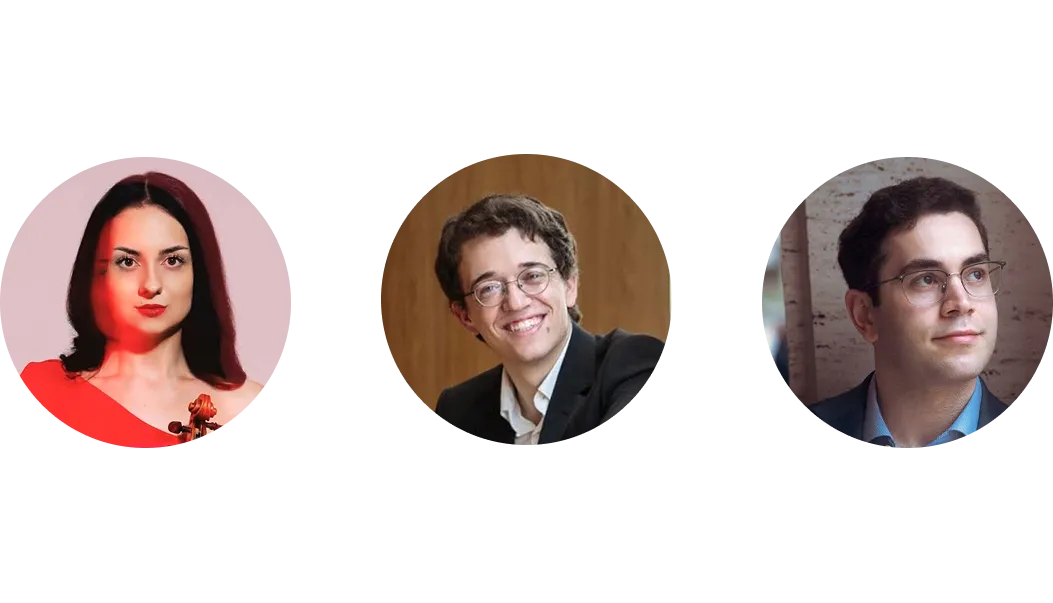
Musicians who train at the Buchmann-Mehta School of Music at Tel Aviv University are among the best in the world. During the past year, many students and alumni represented Israel on the world stage by winning international performance competitions. Among them are Nabeel Hayek, a recent graduate of TAU and current student at Juilliard, who received 1st Prize in the Jose Iturbi International Piano Competition in Spain; Amir Ron, also a an alumni who went on to Juilliard, recipient of 2nd prize and Audience Favorite at the Beethoven Competition in Germany; and Lilia Pocitari, graduate of TAU as well as programs in Vienna and Berlin, recipient of second place in the Seoul International Violin Competition, among many others.